

Ongoing Commitment to Fund Innovative Work, Drive New Opportunities
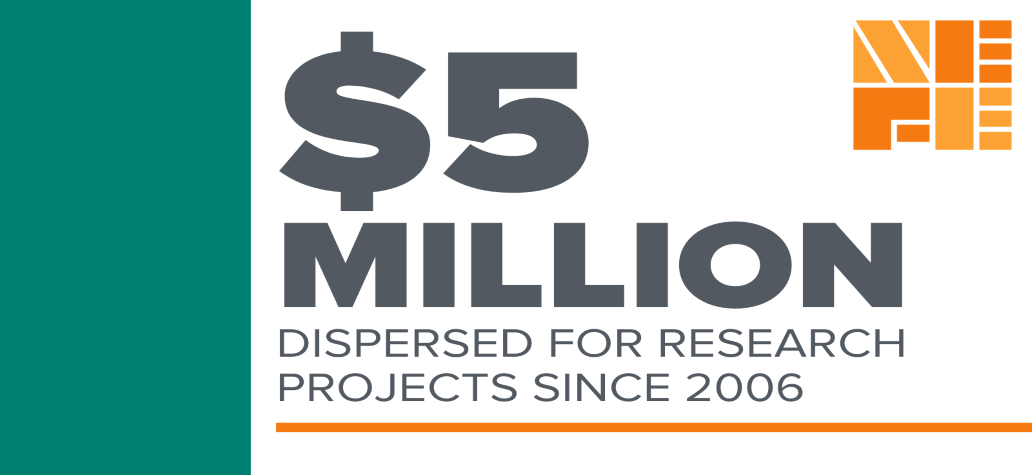
DENVER—The National Endowment for Financial Education® (NEFE®) has achieved a significant milestone in support of financial education by surpassing $5 million in grant funding for rigorous, innovative and actionable research that increases the field’s body of knowledge, provides insight into financial behavior and contributes to a better understanding of effective educational practices.
“To legitimately advance financial well-being, we must build on our understanding of what the financial education community needs, while providing insight where improved practice is necessary and emphasizing where effective practice is evident. This is informed through focused research led by highly-qualified experts,” says Billy Hensley, Ph.D., president and CEO of NEFE. “This funding milestone, and our continued investment, affirms our commitment to providing rigorous analysis that elicits thoughtful dialogue within our field. We are proud to partner with some of the leading and promising minds who share this common goal.”
For over 15 years, NEFE has funded and directed research led by academics at nonprofit colleges, universities and research organizations to push the financial education and well-being communities toward new findings that facilitate purposeful dialogue. With the recent approvals of projects at Texas Tech University and Boston College, NEFE surpassed the $5 million funding benchmark. The NEFE website lists ongoing and completed research with key achievements since the inception of funding these types of studies in 2006:
- Number of research grant projects approved: 38
- Average amount awarded per project: $137,059
- Number of organizations receiving grants: 26
- Research grant projects currently in progress: 5
“The projects NEFE has funded – and will continue to fund – represent some incredible work by members of the academic community which meet one or more of our goals of reevaluating current financial literacy metrics, studying systemic inequality, examining biases or focusing on the nation’s youth,” says Jill Jones, Ph.D., NEFE’s managing director of research.
NEFE’s research grant funding process will broaden as the organization transitions to an institute model that will continue to assist practitioners, advocates and policymakers. This transition includes retirement of its financial education platforms, hosting a series of high-impact, policy-focused convenings with industry stakeholders and hiring Beth Bean, Ph.D., as senior vice president of research and impact to spearhead NEFE’s organizational transition.
“NEFE’s history of contributing thoughtful programs and research has given the financial education field important insight into evaluating the effectiveness of their efforts, while identifying challenges that allow us to work in collaboration to better meet the needs of all Americans,” says Bean. “As we reaffirm our mission to champion financial education, the community can expect us to have a greater priority on thought leadership, policy-driven advocacy and deliberate research.”