Young white woman happily engaging in conversation.
Share:

Policy and Advocacy

NEFE provides guidance on financial education policy at the state and federal levels using an effectiveness lens centered on research and historical data. We do this by driving the conversation, convening thought leaders and amplifying research.

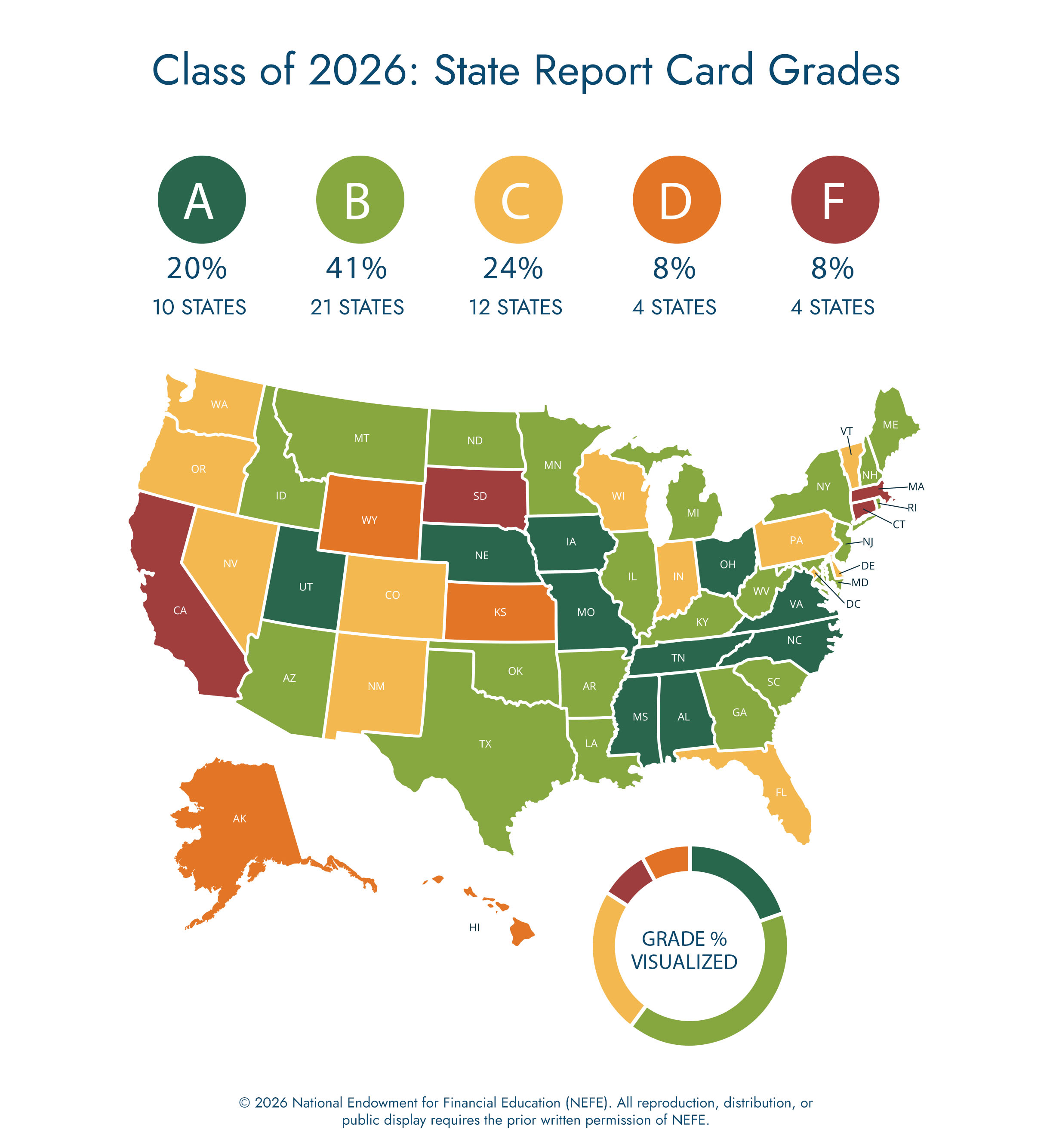
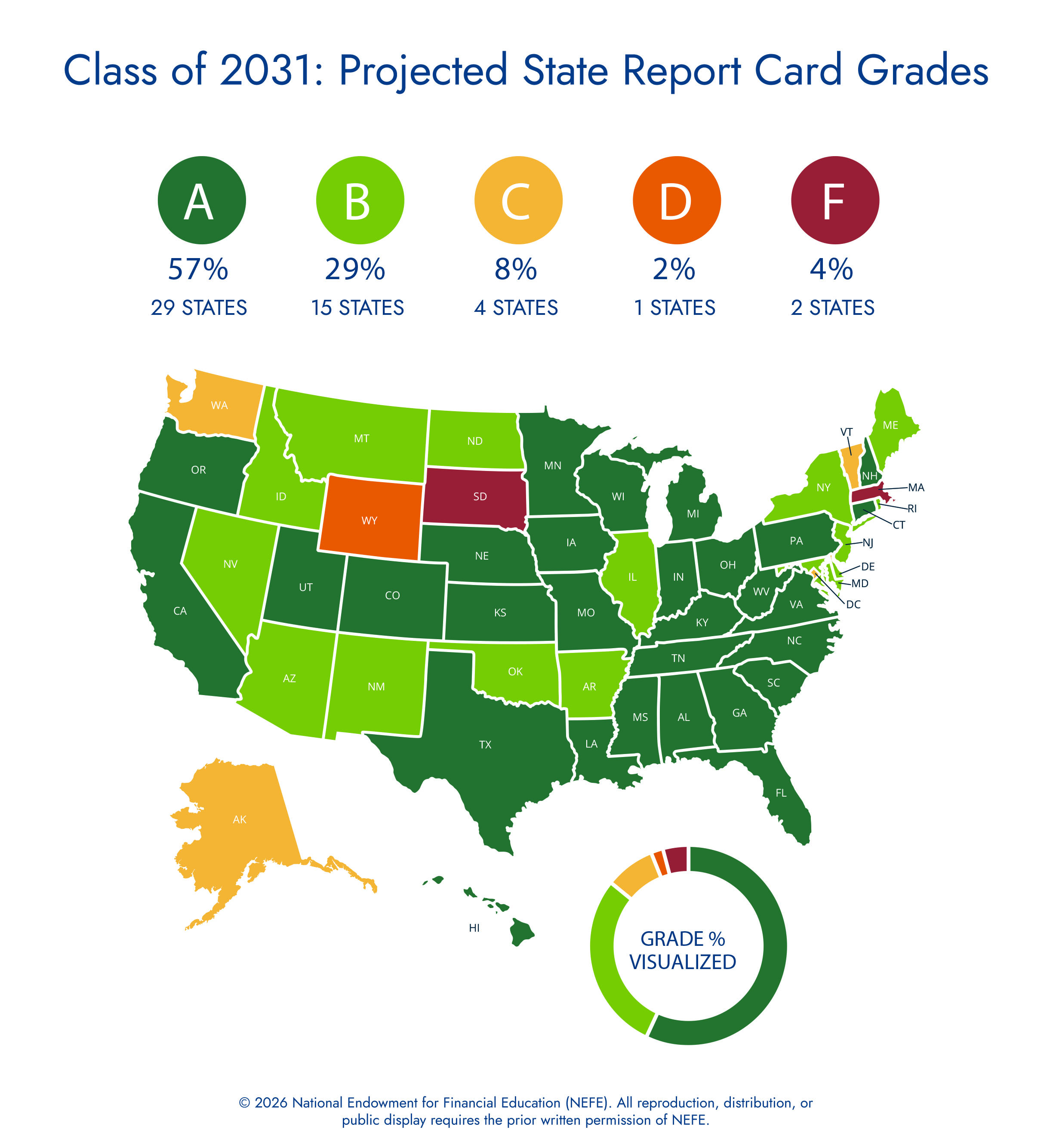
Learn more about the state of K-12 financial education policy across the U.S. in the National Report Card on State Efforts to Improve Financial Literacy in High Schools™.


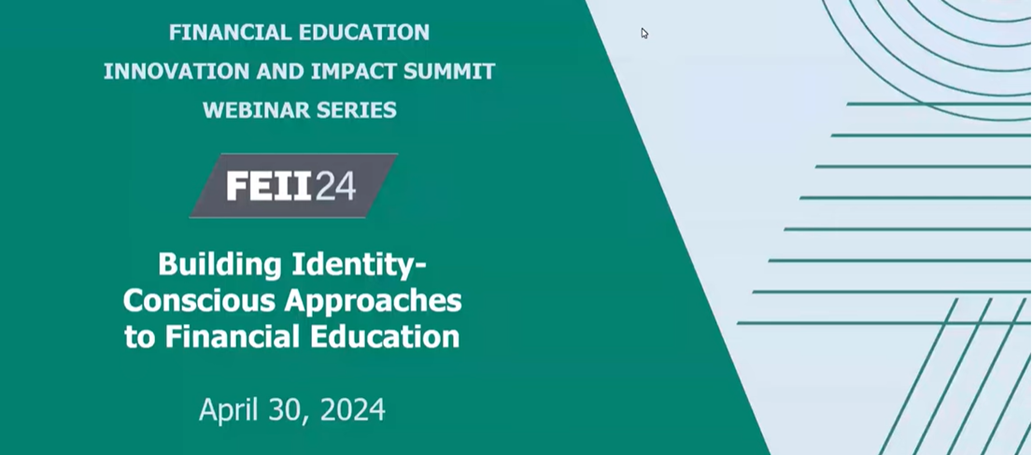
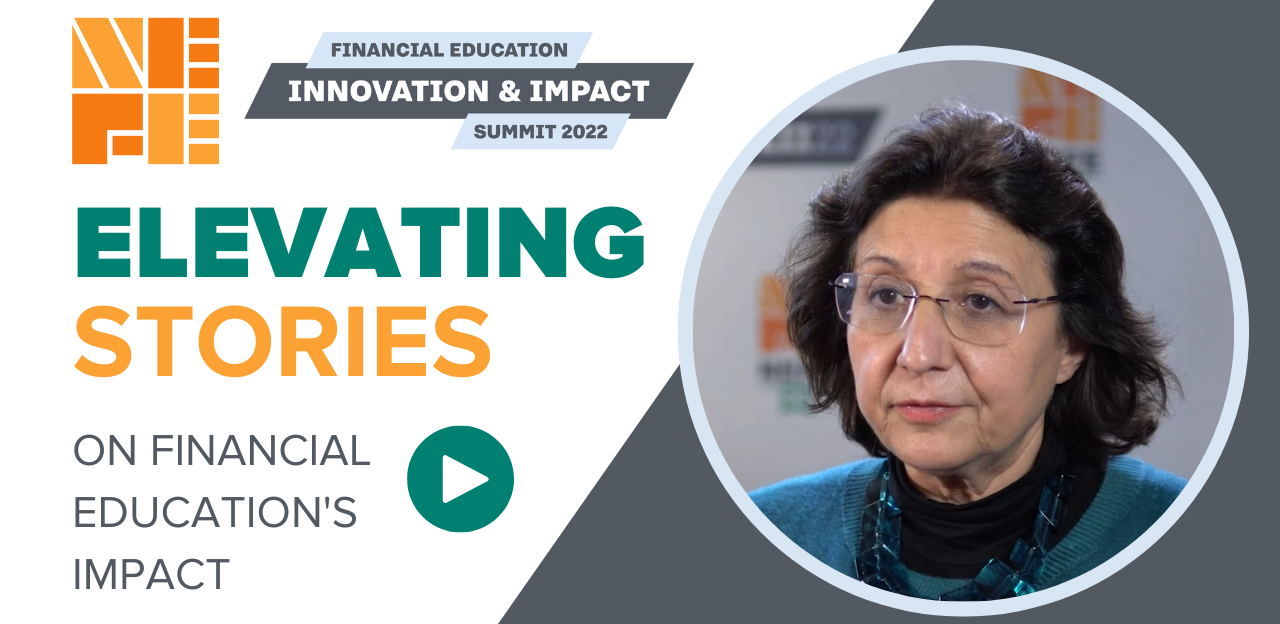
Convening thought leaders on important issues

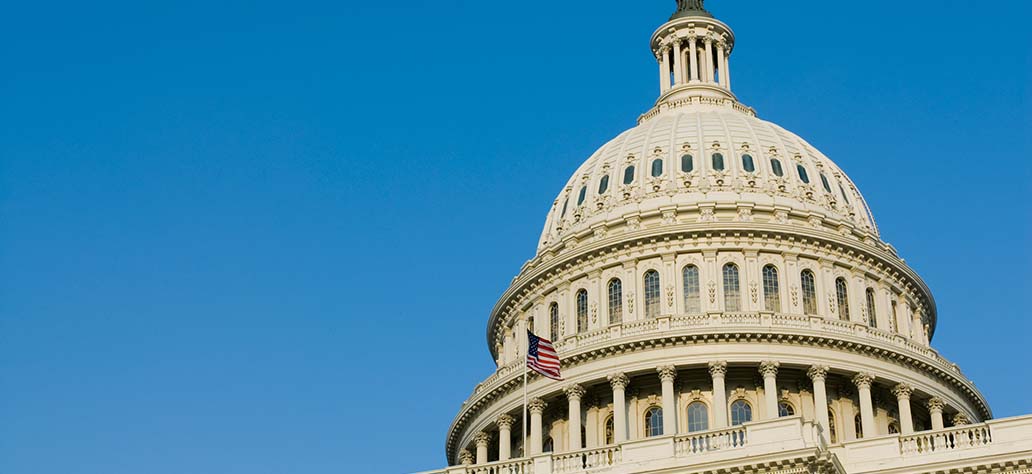
The event returned to Capitol Hill for the second time since 2019, and brought together a diverse group of advocates, educators and policymakers to champion financial education and celebrate efforts.


Collaborating with Advocates and Government Decision-Making Entities

Read more on NEFE’s past involvement with government entities.

NOTE: We are a non-lobbying organization and follow private operating foundation parameters when providing testimony. If you would like us to offer testimony on specific legislation, please reach out to [email protected] for guidance on the appropriate procedures.

Stay Connected

Get the latest updates and information about research opportunities from NEFE.

Frequently Asked Questions

NEFE supports financial education policy by providing research, guidance, and thought leadership that helps policymakers and other stakeholders make more informed decisions about financial education. Its policy work focuses on improving the quality, access, and implementation of financial education so that more people can benefit from learning opportunities that support financial well-being. As more states consider or adopt personal finance graduation requirements and other financial education initiatives, NEFE contributes evidence and perspective to inform those conversations.

NEFE’s policy and advocacy efforts also help connect research to real-world legislative and policy developments. By tracking financial education trends, NEFE helps support a more thoughtful and evidence-based approach to financial education policy. This work can help policymakers better understand not just whether financial education matters, but how policy decisions may influence access, effectiveness, and long-term outcomes for students and communities.

NEFE provides resources that help users stay informed about financial education legislation and policy activity across the country. One of the most useful tools is its financial education bill tracker, which helps policymakers, advocates, researchers, educators, and other stakeholders follow state-level legislative developments related to personal finance education. This can include proposed bills, enacted laws, and changes to graduation requirements or curriculum expectations tied to financial literacy and financial education.

Having access to current state-by-state legislation is important because financial education requirements continue to evolve, and policies can differ significantly from one state to another. NEFE’s resources help users monitor how financial education policy is changing nationwide, identify trends in state requirements, and better understand the broader policy landscape. For anyone looking to follow financial literacy legislation or compare financial education requirements by state, these tools offer a valuable starting point.


Financial education thought leadership is important because it helps connect research, policy, and practice in ways that advance the field. Strong thought leadership can elevate emerging issues, highlight evidence-based strategies, and encourage more informed conversations about what effective financial education should look like. In a field that continues to grow and evolve, thought leadership helps ensure that decisions are shaped by research and practical insight rather than assumptions alone.

Thought leadership also plays a key role in improving the implementation and support of financial education over time. Organizations like NEFE support the greater goal of improving financial well-being through more effective, accessible, and impactful financial education.

Back to Top